ServicesEquipment Installation
Loading Dock Equipment Installation in Lansford
We install dock levelers, vehicle restraints, bumpers, seals, shelters and dock doors at working facilities. Before we touch a tool, you get the scope in writing, covering the pit work, electrical and anchoring, so the price you plan around is the price you see.
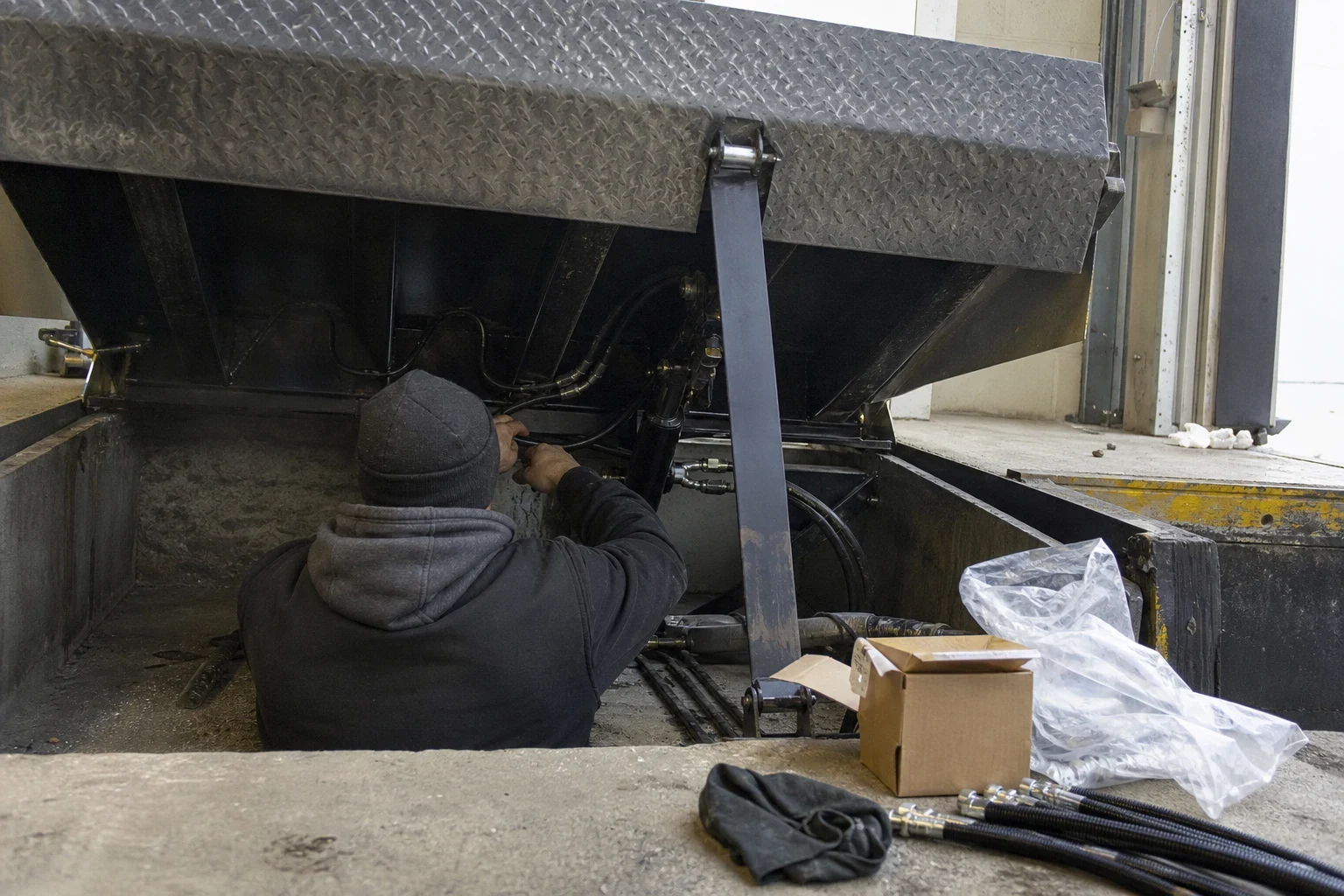
New equipment, set to how your dock actually works
Installation is the right call when you are fitting out a new building, adding a door position, or replacing equipment that is past the point of repair. It also makes sense when your trucks have changed. A dock built for one trailer height can fight every load once your carriers switch to different equipment.
We start with the trucks you see every day, your forklift traffic and what is already in the concrete. Then we write up exactly what goes in, what has to be cut, patched or wired, and what is not included. No add-ons show up once the crew is on site.
If you are still choosing equipment, our Loading Dock Equipment Sales page walks through the options. This page covers getting it in the ground and working.
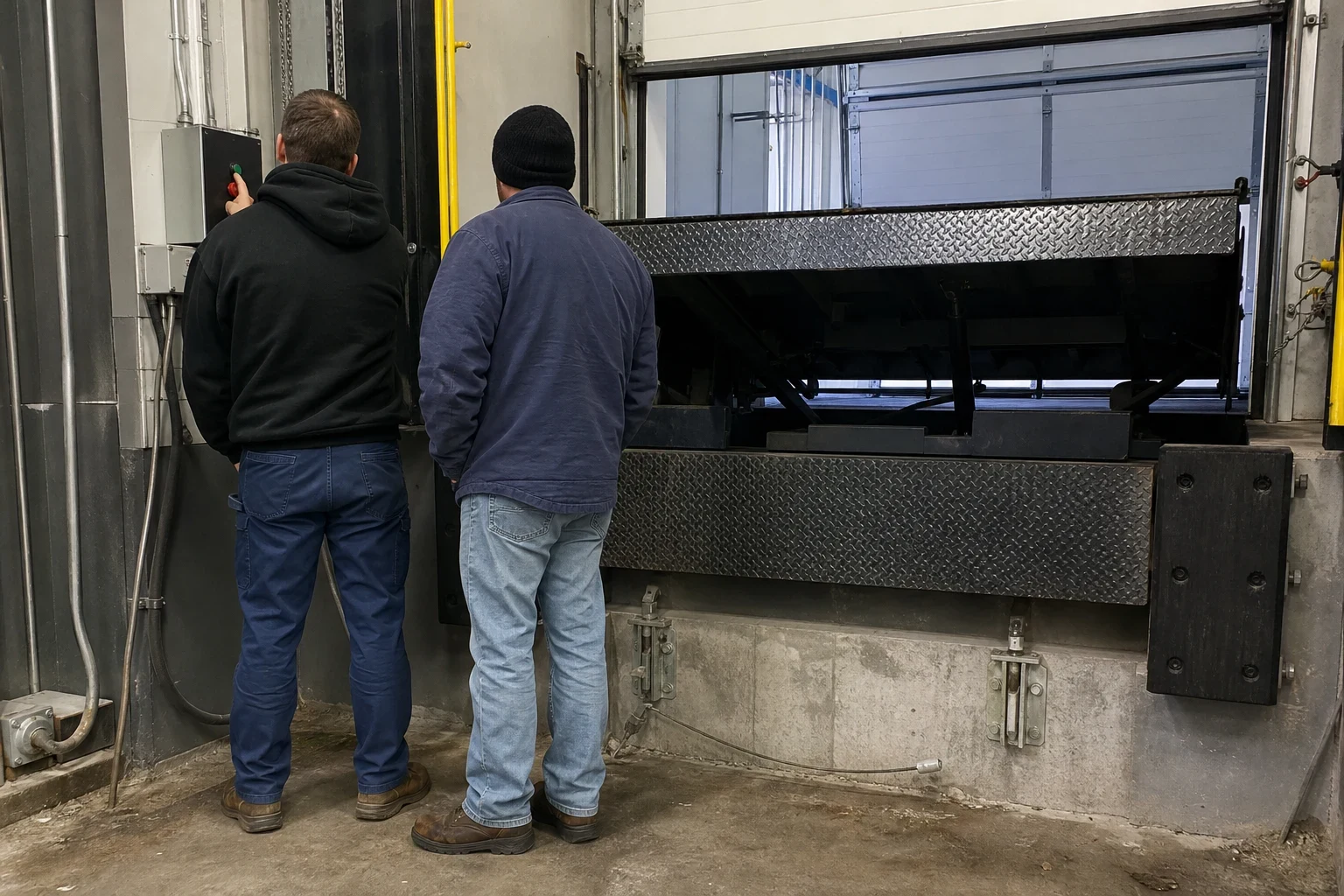
What an install covers
- 01
Dock levelers
Hydraulic, mechanical and air-powered levelers set into new or existing pits. We check pit size, squareness and curb angle before anything is ordered.
- 02
Pit and concrete prep
Old pits often need curb angle repair, crack patching or reforming to fit a new leveler. We say up front if your pit needs work and list it as its own line.
- 03
Vehicle restraints
Wall-mounted or below-grade restraints anchored into sound concrete and wired to inside and outside lights. Drivers and forklift operators both see the lock status.
- 04
Bumpers, seals and shelters
Bumpers sized to your leveler and trailer mix, plus seals or shelters that close the gap around the trailer. A good seal keeps winter air and rain off the dock floor.
- 05
Dock doors and lighting
Overhead doors, high speed doors and dock lights fitted so they work with the leveler and restraint, not against them.
- 06
Startup and handoff
We run each unit through full cycles with your staff watching and show them the daily checks and the controls.
Questions about Equipment Installation?
Call(570) 658-8795Signs it is time for new equipment
Repairs keep stacking up
When the same leveler is down every few months and parts are getting hard to find, the repair bills start to add up to a new unit.
Your trailers no longer match
Steep ramps, bottoming forklifts or a lip that barely reaches the bed mean the leveler is the wrong size or range for today's trucks.
No restraint at a busy door
Wheel chocks alone rely on someone remembering every time. A vehicle restraint adds a real safety step against trailer creep and early pull-outs.
Torn seals and drafts
Daylight around a parked trailer means heat loss, wet floors and slick footing. Worn seals or the wrong shelter style are often the cause.
Adding doors or a new building
New dock positions need pits, anchoring, power and equipment that all work together from day one.
How an installation runs
- 1
We visit and measure
We check your pits, the dock face, the trailers that come in and the power available. Anything that affects the job gets measured and photographed.
- 2
Scope and quote in writing
The write-up goes line by line: equipment, concrete, electrical, removing old units and cleanup. The items that change the price are named so you can weigh your options.
- 3
A schedule that fits your shipping
We go one door at a time so the other positions stay in use. With tight receiving windows, we agree on the order with your dock manager in advance.
- 4
The install itself
We take out the old equipment, prepare the pit, then set, weld, anchor and wire the new unit. The work zone is blocked off so your traffic stays clear.
- 5
Testing and handoff
Each unit is cycled fully under load. We show your team how it runs and leave the area clean.
What moves the cost of an install
Two docks with the same leveler can come in at very different prices. Most of the difference is in what is underneath and around the equipment. We put each of these items in writing so nothing comes as a surprise later.
- Equipment type and capacity
- Hydraulic versus mechanical levelers, wall-mounted versus below-grade restraints, and the weight rating you need all change the base price.
- Pit and concrete condition
- A clean, square pit is simple. Cracked curbs, a wrong-size pit or a new pit poured from scratch add real time and material.
- Power and controls
- Hydraulic units, restraints and interlocks need power at the door. Running new circuits or tying controls together adds to the job.
- Number of doors and access
- Doing several positions in one trip costs less per door. Tight yards or work that has to happen around live shipping can add time.
- Removal and haul-away
- Pulling out old levelers, bumpers and seals is listed as its own line, so you see what it costs.
Installation questions we hear
Will a new leveler go into the pit I already have?
In many cases, yes. We measure the pit and look at the curb angle and concrete before anything else. If the pit is out of square or damaged, the fix shows up as its own line on the quote so you can see why.
How long is a door down during an install?
That depends on the equipment and the shape the pit is in. Swapping a unit into a sound pit goes far quicker than one that needs concrete work. The quote includes an expected timeline, and we plan so your other doors keep shipping.
Will you install equipment we bought from someone else?
Let us know what you have when you phone. We'll look over the equipment and the site and give you a straight answer on whether it suits your dock before we price the install.
We use wheel chocks. Do we still need a vehicle restraint?
Chocks only help if someone sets them every single time. A restraint locks the trailer to the dock and signals the driver and the forklift operator. Plenty of facilities start by adding restraints to their busiest doors.
What comes after the install?
Regular service keeps equipment going longer. Our Loading Dock Preventative Maintenance visits find worn hoses, loose anchors and torn seals before a door has to come out of use.
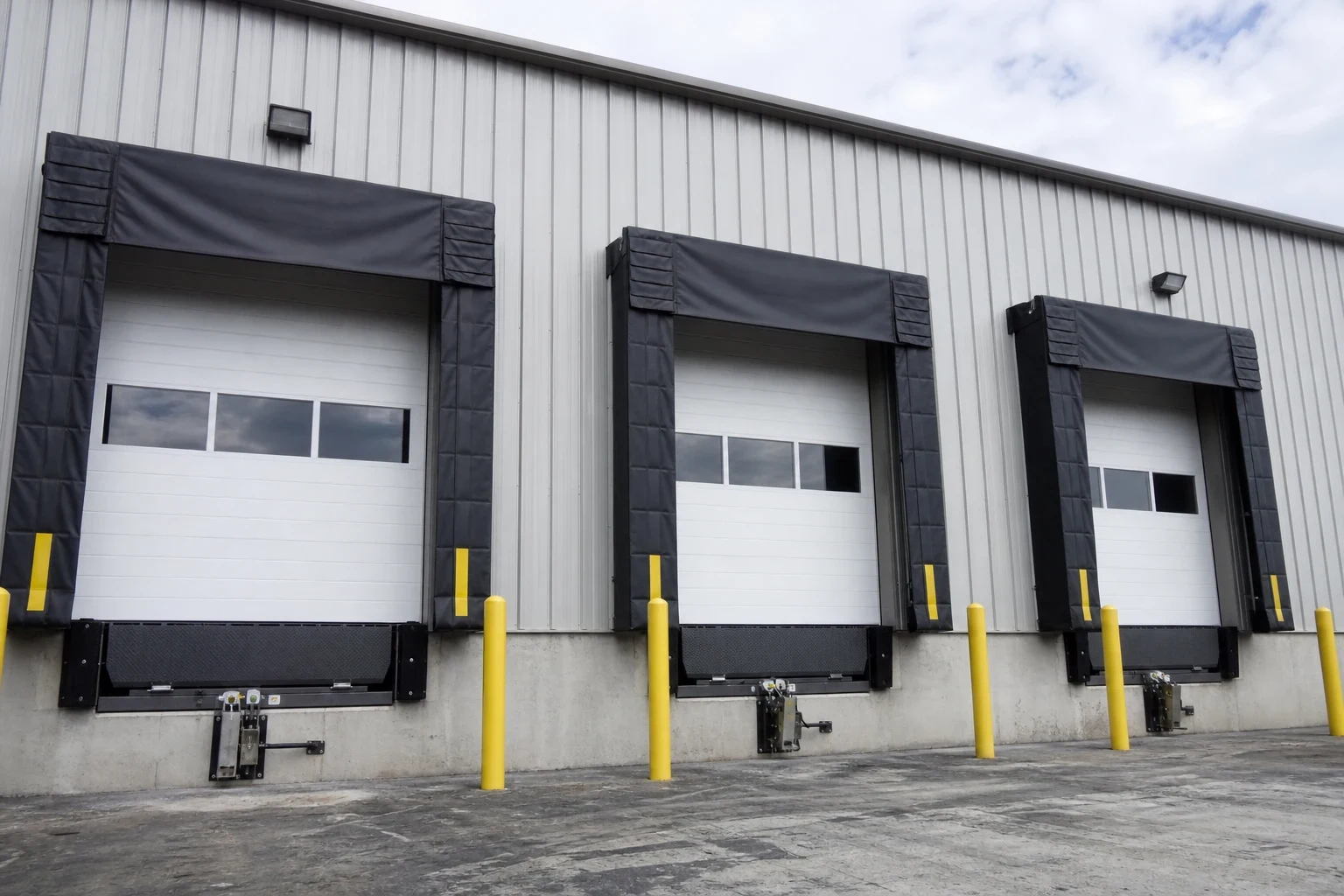
Planning new dock equipment
Tell us how many doors, what trucks you see and what is in place now. We will set up a site visit and put the full scope and price factors in writing.