ServicesVehicle Restraints
Vehicle Restraints in Lansford
A trailer that creeps off the dock while a forklift is inside is how people get hurt. We repair, service and install vehicle restraints that hold the trailer in place, and we put the scope and price factors in writing before any work starts.
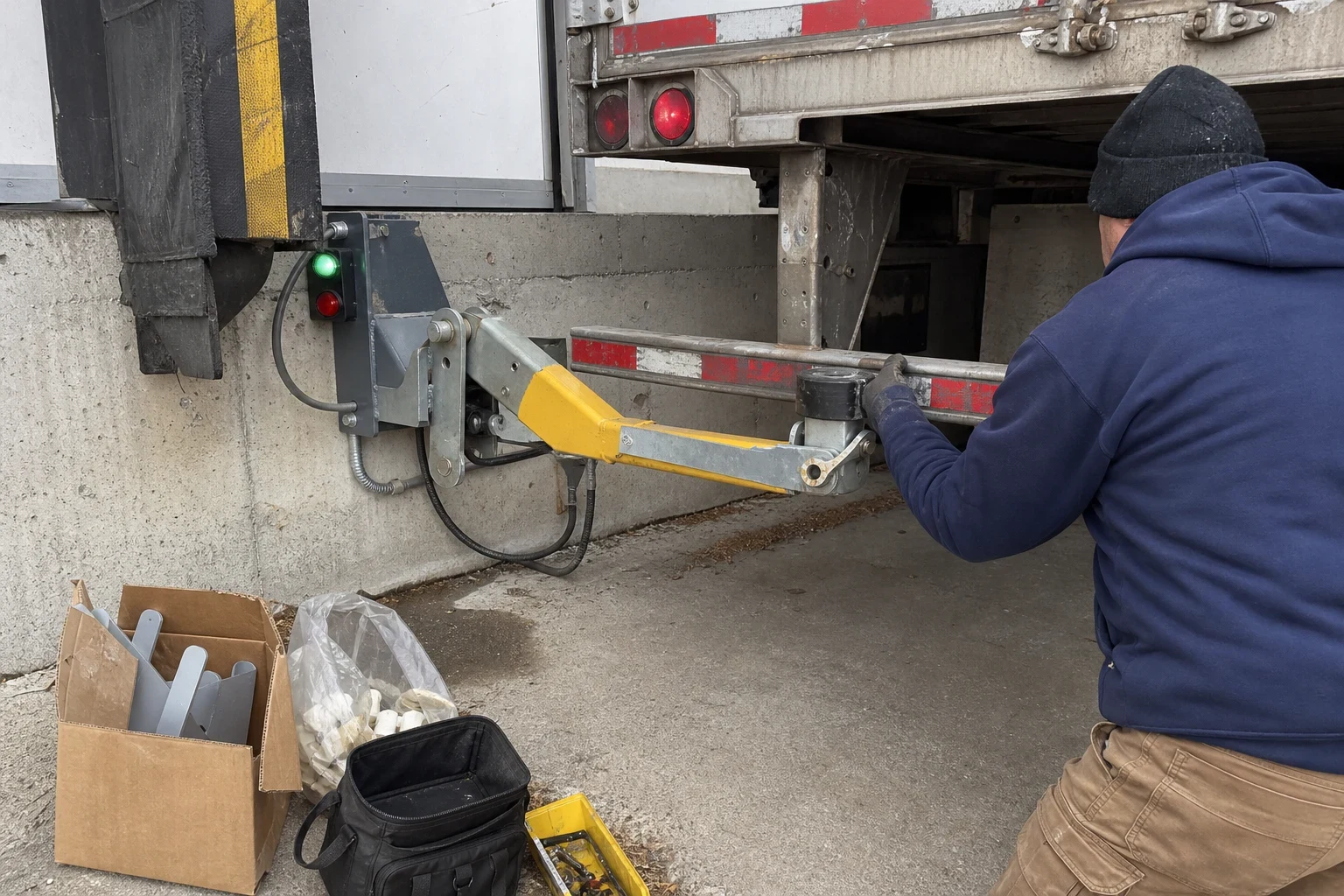
How a Restraint Keeps Trailers Put
This piece of equipment ties the trailer to the building while your crew loads or unloads it. On most docks, a steel hook comes up and catches the rear impact guard, which is the bar hanging under the back of the trailer. Some units grab the wheels instead. Both kinds stop a driver from pulling out early and keep the trailer from walking forward as forklifts roll in and out.
The restraint also runs the lights. Red outside tells the driver to stay put. Green inside tells your crew it's safe to load. When the hook, the lights or the controls stop agreeing with each other, your people lose that signal and start guessing.
We look at what you have, tell you plainly if it can be fixed, and write down what the job covers. If a new unit makes more sense, we explain why and what it would take to install it.
What Our Vehicle Restraint Work Covers
- Hook and wheel restraint repair
- We fix hooks that won't rise, won't hold or won't stow. That can mean motors, hydraulic parts, springs, sensors or worn pivot points.
- Light and signal repair
- We repair the inside and outside light packages and the controls that run them. The driver and your dock crew should always see the same answer.
- Interlocks with levelers and doors
- We can tie the restraint to your dock leveler and overhead door so the door won't open or the leveler won't run until the trailer is locked. It's one less thing to rely on memory for.
- New restraint installation
- When a unit is worn out or a dock never had one, we install a new restraint, mount it to the dock face and wire it in. We test it with a real trailer before we leave.
- Routine service
- Restraints take a beating from trailers backing in all day. Regular checks catch loose anchors, worn hooks and weak signals early. Ask about our loading dock preventative maintenance if you want it on a schedule.
Signs Your Vehicle Restraint Needs Work
The hook misses the bar
If the hook rises but doesn't catch the trailer's rear guard, the trailer isn't held. Wear, a bent hook or a bad mounting height can all cause it.
Lights stuck on one color
Lights that stay red, stay green or flicker mean the controls aren't reading the hook right. Crews stop trusting them fast.
Trailers creeping during loading
If you see a gap opening between the trailer and the dock as forklifts run, the restraint isn't doing its job. That needs attention before the next load.
Alarms getting bypassed
When a restraint fights your crew, people find ways around it. That's usually a sign the unit needs repair, not that the crew is the problem.
Rust and salt damage
Winter road salt comes in on every trailer and settles on the restraint at the bottom of the dock face. Heavy rust on the track, hook or housing weakens parts over time.
Slow or noisy travel
Grinding, jerking or a hook that takes much longer to move than it used to points to a worn motor, low fluid or a dragging carriage.
How a Vehicle Restraint Job Runs
- 1
You call us
Let us know how many docks you have, which restraint style is on them and what's going wrong. The make and model help if they're handy.
- 2
We look in person
At your building we cycle the restraint, test the lights and controls, and inspect the mounting and the dock face it's bolted to. Photos document what we see.
- 3
Quote on paper
The quote spells out what gets repaired or replaced, which parts go in and what sets the price. No work is added afterward unless you agree.
- 4
Repair or install
We schedule around your trucks and take one door down at a time where possible, so the other positions stay busy. The area is cleaned when we finish.
- 5
Final test with your crew
A trailer goes on the restraint for a real test, every light and interlock gets checked, and your dock lead sees how it's supposed to run.
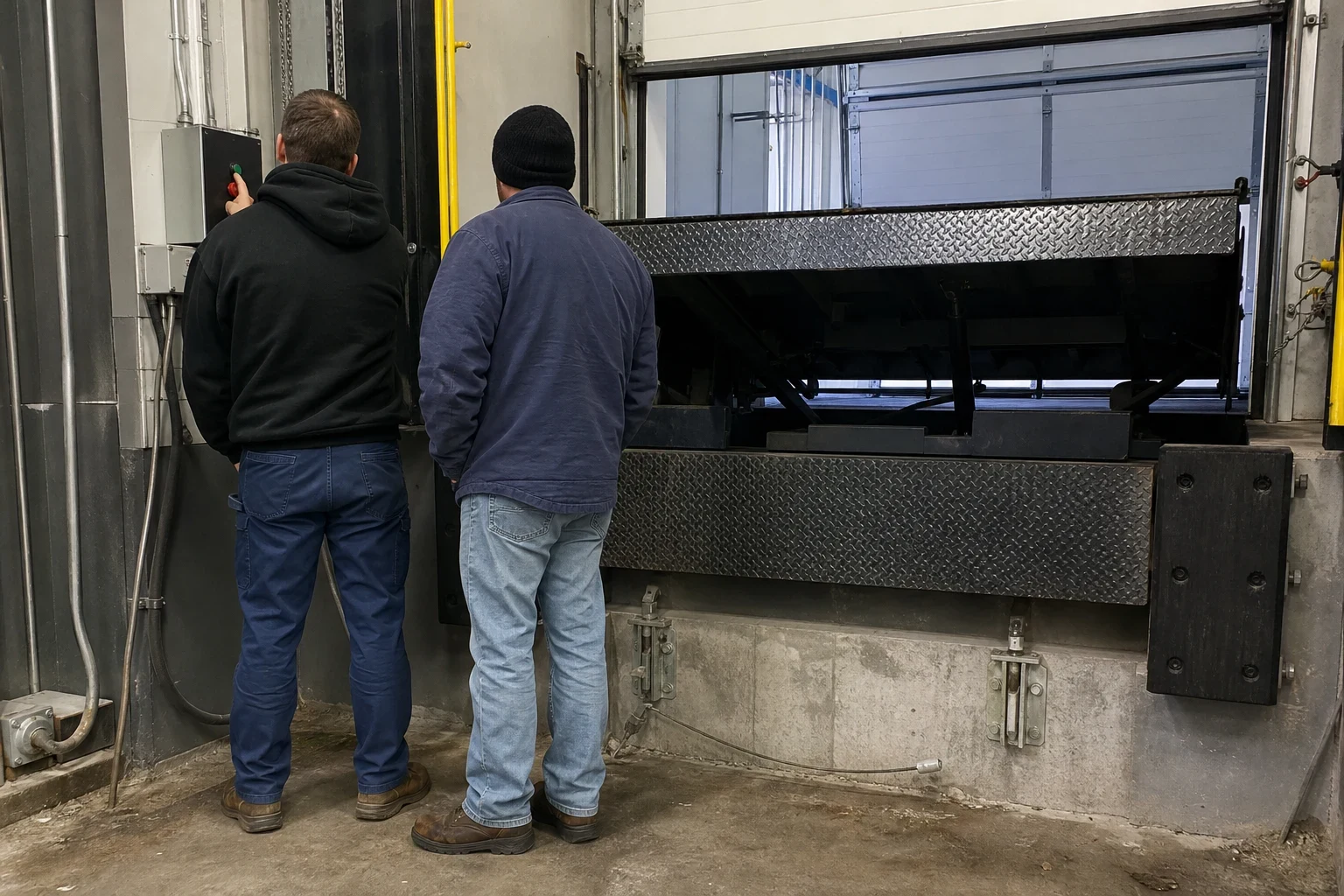
What Sets the Price of Restraint Work
No two docks are alike, so we won't give a phone price sight unseen. The items below drive the cost, and each one is listed on the quote you get in writing.
- Restraint style
- A manual hook is cheaper to work on than a powered hook or wheel unit, which carries motors, hydraulics and extra controls.
- Dock face condition
- Concrete that's cracked or a worn mounting spot may need fixing before the restraint can be anchored properly. We find that during the visit, not mid-job.
- Wiring and interlocks
- New wiring runs, extra light packages or linking to a leveler and overhead door add parts and labor.
- How many doors
- Handling several doors on one trip usually lowers the cost per door compared with separate calls.
- Model and parts supply
- Parts for some older units are hard to track down. When a new unit beats hunting for parts, we tell you.
Common Restraint Questions
Something not covered here? (570) 658-8795
Is it better to fix our restraint or buy a new one?
When the frame, track and mounting are solid, a repair is usually the smart move. A unit that's rusted through, short on parts or failing again and again is often worth replacing. You get our honest opinion, and when both options are real, both go on the written quote.
With a restraint in place, do we still need wheel chocks?
A loaded trailer has to be kept from moving. Plenty of facilities rely on a working restraint for that instead of chocks, and some keep chocks as a backup. If your restraint is down, use chocks until it's repaired.
Can a restraint catch any trailer that backs up?
A hook unit needs a rear impact guard within reach. Lift-gate trailers or ones with a bent or odd guard can be tough to catch. Wheel-based units handle a wider range of trailers. We ask about the trucks at your docks before suggesting one.
Can the rest of our doors stay open during the work?
Usually, yes. We plan around your truck times and pull one door at a time when the job allows. The quote shows how long each door will be out, so receiving can plan for it.
Can you connect the restraint to our leveler and door?
Yes. An interlock can hold the overhead door shut or keep the leveler from running until the trailer is secured. We review your existing controls and put the hookup work in writing.
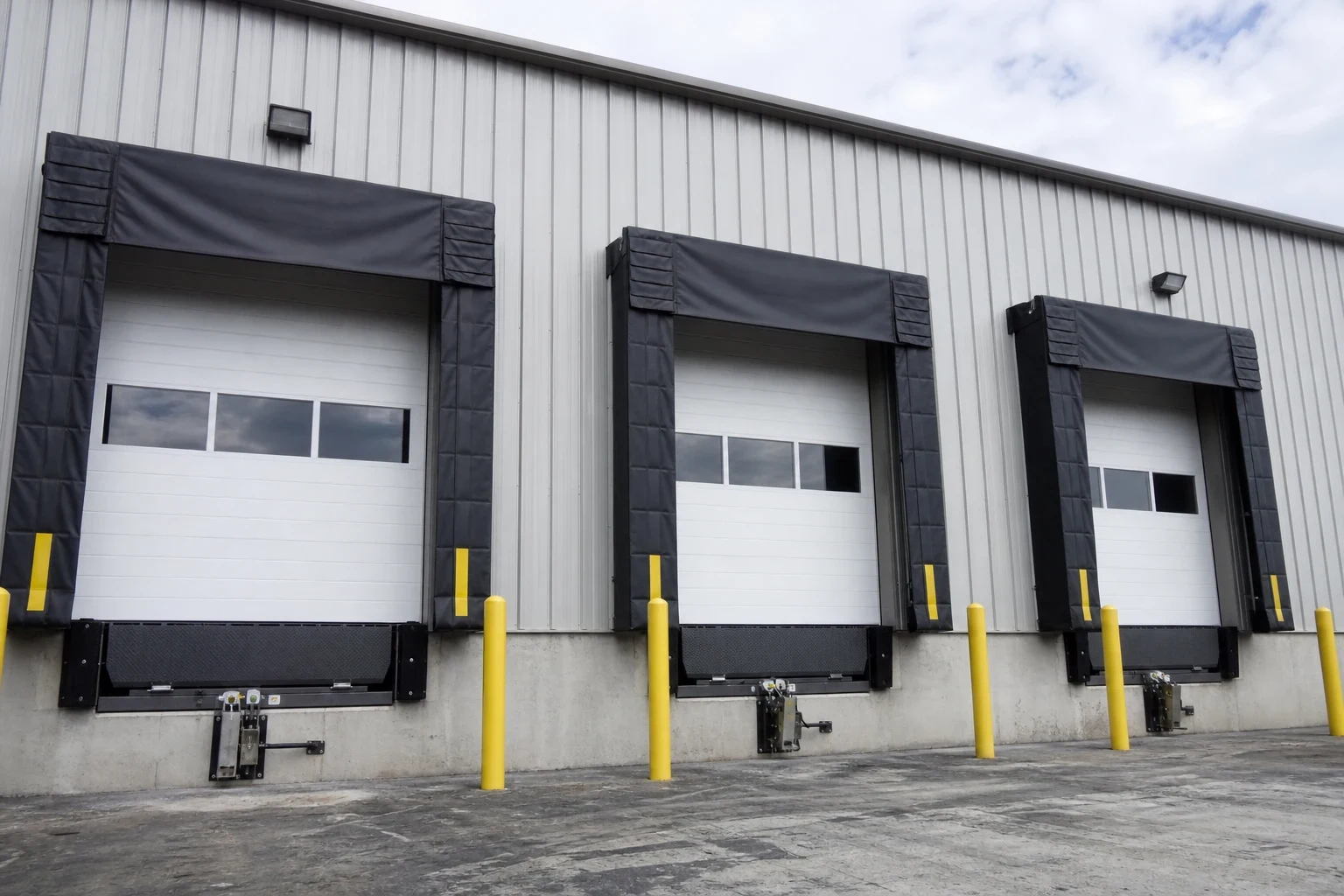
Get Your Restraint Holding Again
Tell us what your vehicle restraint is doing and how many docks you run. We'll come look, then give you the scope and price factors in writing before we touch anything.